There was a time when kitchen cabinets held more than dishes—they held memories. Stacks of colorful bowls, casserole dishes fresh from the oven, and sturdy mugs lined neatly on shelves, each one tied to family traditions, holiday meals, and recipes passed lovingly from one generation to the next. These weren’t just tools; they were part of the rhythm of everyday life.
Today, vintage kitchenware has found a passionate new audience. Collectors, decorators, and home cooks alike are rediscovering the beauty, craftsmanship, and nostalgia of these timeless pieces. Whether displayed proudly on open shelving or still used to serve Sunday dinner, vintage cookware continues to connect us to the past in a uniquely personal way.
Among the countless brands produced during the golden age of American manufacturing, three names have earned legendary status: Pyrex, CorningWare, and Fire-King. Each helped define the modern kitchen, and each remains highly sought after by collectors around the world.
Pyrex: The Crown Jewel of Vintage Collecting
It’s impossible to talk about vintage kitchenware without starting with Pyrex. Introduced in 1915 by Corning Incorporated, Pyrex began as a line of clear borosilicate glass bakeware designed to withstand extreme temperature changes. It was revolutionary for its time, offering home cooks durability and reliability unlike anything they’d seen before.
But Pyrex’s true collecting phenomenon began in the late 1940s, when Corning introduced opalware—the opaque white glass that became the canvas for some of the most beloved patterns in kitchen history.
The 1950s through the 1970s marked Pyrex’s golden era. During these decades, kitchens burst with color, and Pyrex was right at the center of it all. Patterns like Butterprint, with its charming Amish-inspired farm scenes, quickly became household favorites. Gooseberry, Snowflake, Friendship, Pink Daisy, Spring Blossom, and Colonial Mist followed, each reflecting the design trends of its era.
Collectors often develop fierce loyalties to particular patterns. Some are drawn to the cheerful turquoise and white of Butterprint, while others chase the sunny oranges and reds of Friendship. Rare promotional pieces, limited regional releases, and unusual color variations can command remarkable prices in today’s market.
Part of Pyrex’s enduring appeal lies in its versatility. These bowls and casseroles weren’t meant to sit behind glass—they were built to be used. Many collectors still reach for their vintage Pyrex when baking, mixing, or serving. Few things feel quite as satisfying as preparing a family recipe in the same bowl your grandmother might have used decades ago.
For newcomers, Pyrex offers an accessible and endlessly fascinating entry point into the world of vintage collecting.
CorningWare: The Workhorse of the American Kitchen
While Pyrex brought personality to the countertop, CorningWare brought innovation to the oven.
Introduced in 1958, CorningWare was made from Pyroceram, a remarkable glass-ceramic material accidentally discovered during a laboratory experiment at Corning. Unlike traditional bakeware, Pyroceram could move directly from freezer to stovetop to oven without cracking—a game-changing innovation for home cooks.
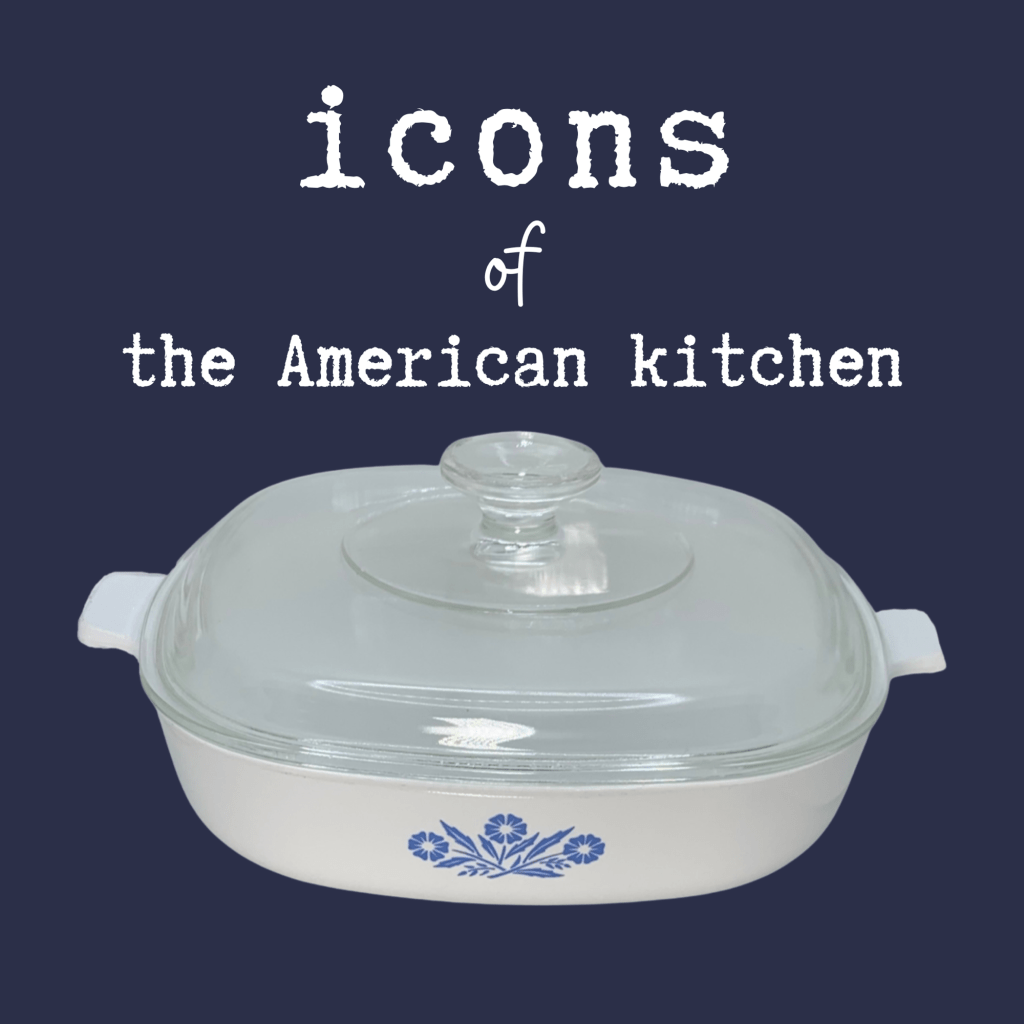
The original Blue Cornflower pattern quickly became one of the most recognizable designs in American kitchens. Its simple blue floral motif, paired with crisp white ceramic, offered a clean, timeless aesthetic that fit seamlessly into nearly any home décor.
For generations, CorningWare handled everything from casseroles and pot roasts to baked macaroni and holiday side dishes. It was the dependable workhorse families relied on for weeknight dinners and special occasions alike.
Collectors today appreciate CorningWare for both its utility and its nostalgia. Early backstamp markings, complete sets with lids and warming cradles, and harder-to-find patterns like Wildflower, Spice of Life, and Floral Bouquet are particularly desirable.
Unlike many collectibles, CorningWare remains incredibly practical. A fifty-year-old casserole dish can still perform beautifully in a modern kitchen. That kind of longevity is increasingly rare—and deeply appreciated.
Fire-King: The Underrated Treasure
Though it sometimes lives in Pyrex’s shadow, Fire-King has carved out a devoted following all its own.
Produced by Anchor Hocking beginning in the early 1940s, Fire-King offered durable, affordable glassware designed for everyday use. Restaurants, diners, and households across America relied on its sturdy construction.
Its most famous line, jadeite, has become one of the hottest categories in vintage collecting. The soft, milky green glass is instantly recognizable and effortlessly stylish. Originally marketed to restaurants and sold as promotional giveaways, jadeite has evolved into a design icon.
Today, a single jadeite mug or mixing bowl can transform a kitchen shelf. Entire collections often become treasured centerpieces.
But Fire-King’s appeal extends far beyond jadeite. Milk glass, sapphire blue, peach lustre, and restaurant ware all attract enthusiastic collectors. Measuring cups, mugs, refrigerator dishes, and mixing bowls remain especially popular.
For those just entering the hobby, Fire-King offers an excellent balance of affordability and collectibility. While rare jadeite pieces can fetch premium prices, many beautiful examples remain within reach.
Why Collectors Keep Coming Back
Vintage kitchenware offers something modern products often cannot: character.
Every scratch tells a story. Every faded pattern hints at countless family dinners, birthday cakes, and holiday celebrations. These pieces have lived full lives before finding their way into our homes.
They’re also wonderfully sustainable. Buying vintage keeps beautifully made items in circulation while reducing waste—a win for collectors and the planet alike.
And then there’s the thrill of the hunt. Spotting a Butterprint bowl on a thrift store shelf or uncovering a pristine Cornflower casserole at an estate sale never gets old. Every find feels like a small victory.
Building Your Collection
The best collections are built slowly, one meaningful piece at a time.
Start with patterns or colors you genuinely love. Learn to identify backstamps, study common reproductions, and don’t be afraid to use your pieces. Vintage kitchenware was designed for everyday life, not permanent display.
Condition matters, but perfection isn’t everything. Minor wear often adds charm and authenticity.
Most importantly, collect what brings you joy.
More Than Just Dishes
Pyrex, CorningWare, and Fire-King have endured because they represent more than functional kitchenware. They embody craftsmanship, resilience, and the simple pleasures of gathering around the table.
They remind us that the kitchen has always been the heart of the home.
And perhaps that’s why, decades later, these pieces still feel just as special as the day they were made.
 The Vintage Vault Co.
Leave a comment